Mandala Ornament: Versatile Vector Designs for Creative Projects
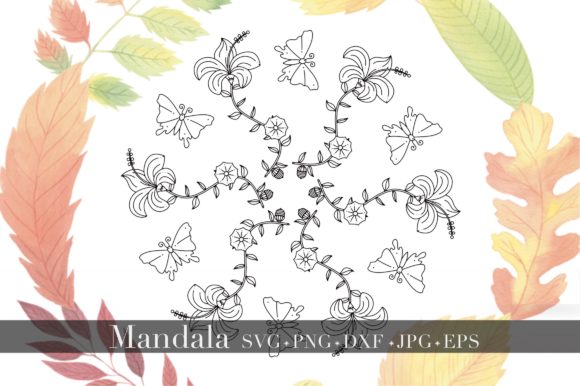
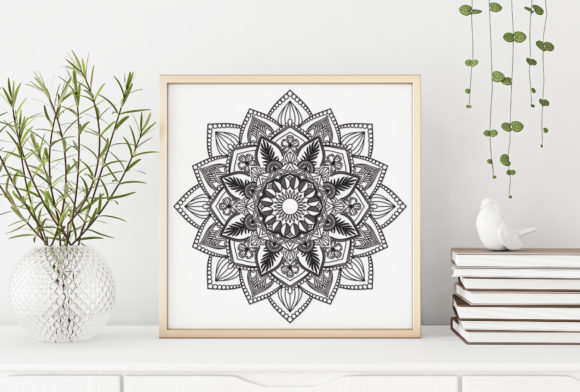
The mandala ornament is more than just a decorative motif; it is a foundational design element that bridges the gap between traditional artistry and modern digital fabrication. At its core, this specific floral lace ornament features a circular, symmetrical pattern isolated on a white background, making it an incredibly versatile asset for creators who need precision and aesthetic balance. Whether you are operating a vinyl cutting business, designing educational materials, or simply looking to personalize your living space, having a high-quality vector version of this design changes what is possible. Unlike raster images that pixelate when resized, this digital product ensures that every intricate line of the floral lace remains crisp, whether it is printed on a small phone case or projected onto a large wall banner.
Why Vector Formats Matter for Makers and Designers
Understanding the technical specifications of this mandala ornament is crucial before you begin any project because the file format dictates your workflow. This digital package includes SVG, DXF, EPS, PNG, and JPG files, each serving a distinct purpose in the creative ecosystem. For users of Cricut Design Space or Silhouette Studio, the SVG and DXF files are non-negotiable assets. The DXF compatibility is particularly significant for Silhouette users who do not have the Designer Edition upgrade, as it allows for seamless import without additional software costs. These vector paths tell your machine exactly where to cut, score, or draw, eliminating the frustration of tracing jagged edges or dealing with disconnected nodes.
For those working in professional design environments like Adobe Illustrator, CorelDRAW, or Inkscape, the EPS and SVG formats provide editable anchor points. This means you can modify the thickness of the floral lace lines, change colors instantly, or combine multiple mandalas to create complex backgrounds without losing resolution. Meanwhile, the 300 DPI PNG and JPG files serve a different master: print and sublimation. When you are transferring designs onto mugs, shirts, or canvas, resolution is everything. A low-quality image results in blurry merchandise that customers will reject. Having a pre-prepared 300 DPI file ensures that your physical products look as sharp digitally as they do in person, saving you hours of upscaling and cleanup time.
Practical Applications in Small Business and Merchandise
Entrepreneurs and small business owners frequently turn to mandala ornaments because they offer a high perceived value with relatively low production effort. Consider the custom apparel market. A single, well-placed mandala on a t-shirt or tote bag can transform a blank garment into a boutique-style item. Because this design is isolated on a white background, it integrates effortlessly into mockups and production files. For sublimation businesses, the circular symmetry works exceptionally well on tumblers and coasters, where the design needs to wrap or center perfectly without visual distortion.
Beyond apparel, this ornament serves as a premium asset for the stationery and paper goods industry. Wedding invitations, luxury greeting cards, and scrapbooking layouts often rely on ornate detailing to convey elegance. Using a vector mandala allows you to scale the design down to fit a delicate envelope liner or scale it up for a wedding welcome sign without re-drawing a single line. For sellers on platforms like Etsy, offering this mandala as part of a larger digital bundle or using it to create unique coloring pages can diversify revenue streams. The key here is versatility; one digital file supports dozens of distinct product listings across different niches.
Industrial and Precision Crafting Uses
The utility of this mandala ornament extends far beyond paper and vinyl. Its clean vector geometry makes it ideal for CNC machines, laser cutters, plasma cutters, and water jet systems. Woodworkers use these files to carve intricate table tops, cabinet doors, and decorative panels. Because the lines are mathematically defined vectors rather than pixels, the toolpath generated by CAM software is smooth and efficient, reducing machine run time and preventing bit breakage caused by erratic movements.
Laser cutting enthusiasts benefit similarly. When creating wooden jewelry, acrylic cake toppers, or architectural models, the "floral lace" aspect of this mandala translates beautifully into negative space. The isolated nature of the design means there is no background noise to filter out, allowing for faster processing in software like LightBurn or RDWorks. Metal fabricators using plasma or water jet cutters can also utilize the EPS or DXF files to create metal wall art, garden stakes, or custom automotive emblems. In these industrial contexts, the quality of the source file directly impacts material waste and finishing time. A poorly constructed vector requires extensive node editing before cutting; this optimized ornament minimizes that prep work, letting you focus on production rather than troubleshooting.
Educational, Therapeutic, and Personal Creative Outlets
Mandalas have long been associated with mindfulness and education, and this digital ornament facilitates both. Educators and therapists often use mandala patterns for art therapy sessions, helping students or clients focus through coloring and creation. Having a high-resolution digital file means you can print unlimited copies for a classroom or workshop without degradation. You can adjust the line weight to make coloring easier for young children or keep the intricate lace details for adults seeking deeper meditative engagement.
For hobbyists and DIY decorators, this mandala ornament offers a shortcut to professional-looking home decor. Stenciling this pattern onto furniture, walls, or floors creates a custom wallpaper effect at a fraction of the cost. Tattoo artists also find value in these vector packs, using them as flash sheet references or base layers for custom sleeve designs. The symmetry provides a structural guide that helps maintain proportion during freehand application. Even if you are simply looking to customize a phone case or create a unique laptop sticker for personal use, the availability of multiple formats ensures you aren't locked into a single method of creation. You can print it, cut it from vinyl, or even trace it by hand using the high-res JPG as a reference.
Considerations Before Downloading and Creating
While this mandala ornament is designed for broad compatibility, successful implementation requires some forethought. Always verify your software version and machine capabilities before starting a project. For example, while DXF files work with basic Silhouette Studio, some older versions may require specific import settings to preserve curve accuracy. Similarly, if you plan to use this for commercial merchandise, ensure you understand the licensing terms. This product notes "All rights reserved © 2020 SkyeCreativeStudio," which typically governs how the raw file can be distributed versus how finished physical products can be sold. Respecting intellectual property protects both the creator and your business reputation.
Technical preparation is equally important. Before sending this file to a cutter or printer, always check the dimensions. Vectors are infinitely scalable, but your machine has physical limits. Resize the mandala within your design software to match your material size before generating toolpaths. For sublimation, remember to mirror the PNG or JPG file before printing, as the transfer process reverses the image. Finally, consider color management. While the file is isolated on white, your end medium might be colored wood, dark fabric, or textured paper. Test prints or small test cuts are invaluable for ensuring the floral lace details remain visible and legible against your chosen substrate. By treating this digital asset with technical respect and creative intention, you unlock its full potential across virtually every medium imaginable.