Hydrangeas Flowers Watercolor Set: A Practical Guide for Creators
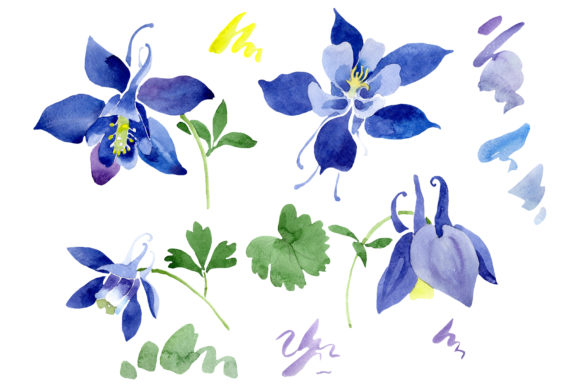
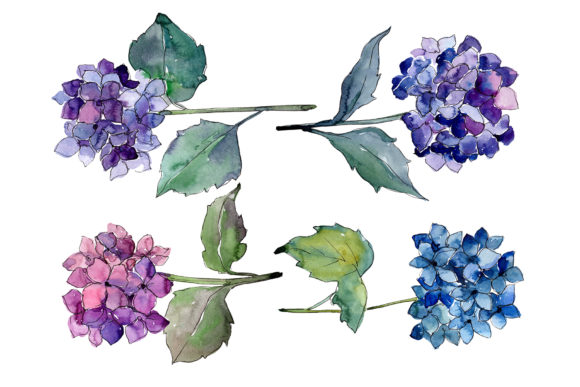
When searching for the perfect floral assets for a wedding invitation or a botanical blog post, the visual quality of your source material dictates the success of the final design. The Hydrangeas Flowers Watercolor Set offers a specific solution for designers and hobbyists who need authentic, hand-painted aesthetics without the time investment of traditional media. This collection features aquarelle blue and purple hydrangeas in a set of four distinct files, providing versatile elements that can serve as focal points, textures, or framing devices. However, owning high-quality assets is only half the battle; understanding how to evaluate and implement them correctly separates professional results from amateur attempts.
Many creators, from small business owners to freelance marketers, often overlook technical specifications when selecting digital florals. They focus solely on the color palette or the immediate visual appeal, neglecting factors like resolution, transparency integrity, and editability. This oversight frequently leads to pixelated prints, awkward white halos around flowers, or designs that look flat and repetitive. By addressing these common pitfalls early, you can ensure this PNG watercolor set serves as a reliable foundation for your creative projects rather than a source of frustration.
Evaluating Resolution and Print Readiness
The most frequent mistake when acquiring digital watercolor elements is assuming all "high resolution" claims are equal. For a Hydrangeas Flowers Watercolor Set intended for physical products like greeting cards, posters, or wedding stationery, standard web resolution is insufficient. You must verify that the files are at least 300 DPI (dots per inch) at their native size. This specific pack provides isolated PNGs at 3500x3500px, which is a crucial specification. At 300 DPI, this dimension allows for crisp printing up to approximately 11x11 inches. If you attempt to stretch a smaller file to fit a large poster background, the delicate watercolor edges will blur, and the paper texture inherent in the painting will degrade into digital noise.
Before purchasing or downloading, always check the pixel dimensions against your intended print size. A better approach than guessing is to open the file in your design software and set the document to your final print dimensions immediately. Place the hydrangea element and view it at 100% zoom. If the brushstrokes appear soft and the pigment gradients remain smooth, the file is suitable. If you see jagged edges or blocky artifacts, the resolution is inadequate for that specific application, regardless of what the product description claims. This pre-flight check saves wasted ink, paper, and client revision cycles.
Understanding Transparency and Edge Quality
Another critical area where users encounter issues involves the transparent background. While this set advertises flowers on a transparent background, not all PNG exports are created equal. Poorly processed files often retain a faint white box or a jagged "halo" around the perimeter of the flower. When placed over a colored or textured background, this artifact becomes glaringly obvious and ruins the illusion of a hand-painted element. This usually happens when the original scan was not properly masked or when the file was compressed excessively during conversion.
To avoid this, inspect the alpha channel or simply place the flower over a dark, solid color layer in your editing software before committing to it in your layout. High-quality aquarelle elements should have soft, fading edges that blend naturally into any backdrop. If you notice hard edges, do not assume the file is unusable. Instead, use a soft eraser or a layer mask to gently feather the perimeter. However, starting with a cleanly isolated PNG, like the ones described in this set, significantly reduces post-processing time. Remember that true transparency preserves the subtle washes of blue and purple paint; losing this data flattens the image and removes the organic feel that makes watercolor desirable in the first place.
Avoiding Repetition in Composition
Even with beautiful individual elements, a design can fail if the arrangement feels mechanical. A common error when using a set of four files is relying too heavily on simple rotation or mirroring to create volume. While flipping an image is a quick way to fill space, the human eye detects symmetry instantly, making the composition look artificial. Since these illustrations are painted by hand, they possess unique imperfections that should be celebrated, not duplicated.
A more effective strategy involves utilizing the full editable nature of the files. Because these are separate PNGs rather than a flattened pattern, you have the freedom to adjust hue, saturation, and brightness for each instance. Try shifting one hydrangea slightly toward a cooler blue while warming another toward purple to mimic natural light variation. Scale elements differently to create depth; place larger, darker flowers in the foreground and smaller, lighter ones in the back. Use the aquarelle elements not just as standalone subjects but as textural overlays. Lowering the opacity of a hydrangea can create a stunning, subtle watermark effect for blog headers or certificate borders, adding value beyond simple decoration.
Checking Color Profiles for Consistency
Color management is often the silent killer of floral design projects. Watercolors are prized for their luminosity, but RGB screens display colors differently than CMYK printers. Users frequently select a Hydrangeas Flowers Watercolor Set based on how vibrant it looks on their monitor, only to receive dull, muddy prints. Before integrating these graphics into a print-ready file, confirm the color profile. Most digital downloads are RGB. If you are sending files to a professional printer, ask about their preferred color space. Converting from RGB to CMYK yourself allows you to adjust the vibrancy before printing, ensuring those signature blues and purples remain true to your vision.
Maximizing Versatility Across Platforms
The utility of this pack extends far beyond static images. Entrepreneurs and educators often underutilize floral assets by treating them as single-use decorations. Given that these files are fully editable and sized generously at 3500x3500px, they are ideal for creating scalable systems. Consider cropping specific petals or leaves to create custom dividers for social media carousels or bullet points for presentations. The hand-painted texture can be extracted and used as a masking layer for typography, giving quotes and headlines an organic, artistic integration that standard fonts cannot achieve.
For those creating digital products, such as printable planners or digital scrapbooking kits, ensure you understand the licensing terms associated with the set. While the technical specs allow for endless manipulation, legal usage varies. Always verify whether the license permits commercial use in end products versus personal use only. Respecting these boundaries protects your business and supports the artists who painstakingly paint these botanical elements. When used correctly and ethically, this Hydrangeas Flowers Watercolor Set becomes more than just a collection of images; it transforms into a comprehensive design toolkit capable of elevating everything from intimate wedding stationery to broad-reaching marketing campaigns.