Lily at Night: Evaluating a Hand-Drawn Colored Pencil Asset Set
In the landscape of digital design resources, finding authentic hand-drawn elements that maintain high fidelity across various media can be a significant challenge. "Lily at Night" represents a specific niche within botanical illustration: a set of lily flower drawings executed in colored pencils, digitized for professional application. Unlike vector-based clip art or AI-generated imagery, this collection offers the tangible texture and organic imperfections of traditional media. For designers, marketers, and creators aged 20 to 50 who prioritize authenticity in their visual communication, understanding the technical specifications and practical utility of this asset set is essential before integration into commercial or personal workflows.
Technical Specifications and Resolution Standards
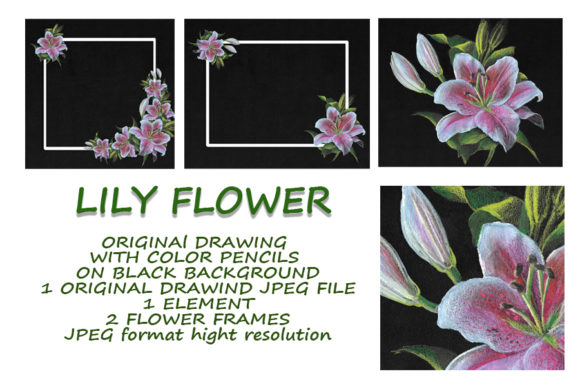
The primary value proposition of any raster-based floral asset lies in its resolution and color depth. The Lily at Night set is structured to accommodate both large-format printing and detailed digital work. The inclusion of two floral frames at 4000x3218 pixels and 3200x3200 pixels provides a versatile foundation for layout design. At 300 DPI (dots per inch), these dimensions translate to approximately 13.3 x 10.7 inches and 10.6 x 10.6 inches respectively in print. This resolution threshold is critical for professionals; it ensures that the grain of the colored pencil and the tooth of the paper remain crisp when reproduced on physical substrates like cardstock or textile.
Furthermore, the set includes an original lily flower drawing at 4000x3218 pixels and a close-up fragment at 2832x2832 pixels. The square format of the close-up fragment is particularly notable for modern design contexts. Square aspect ratios are native to social media platforms, album artwork, and pattern repeats. Having a dedicated high-resolution fragment allows designers to create texture overlays or background elements without needing to crop and potentially degrade the main illustration files. All files are delivered in JPEG format. While PNG or TIFF might offer lossless compression or transparency, high-quality JPEGs at this resolution strike a balance between file manageability and visual fidelity, provided the user manages compression artifacts during editing.
Authenticity in Digital Botanical Illustration
The aesthetic distinction of Lily at Night is its medium. Colored pencil illustrations possess a softness and layering capability that differs markedly from watercolor or ink. In professional branding and event design, this texture conveys warmth, craftsmanship, and intimacy. For wedding stationery or boutique packaging, the visible stroke work suggests a bespoke quality that clean vector lines often lack. The "Night" aspect of the title implies a specific tonal range—likely deeper greens, muted petals, or high contrast against a dark background—which positions this set apart from the ubiquitous bright, airy florals common in stock libraries.
This stylistic specificity serves a functional purpose. It targets projects requiring a mood of elegance, mystery, or evening sophistication. When evaluating this set, one must consider whether the color grading aligns with existing brand palettes. Because colored pencil pigments blend optically rather than physically, digital color correction should be approached with care to preserve the natural gradient transitions that define the medium's appeal.
Practical Applications Across Media
The versatility of the Lily at Night collection extends across multiple verticals. Based on the asset composition, here is how different professional segments may leverage these files:
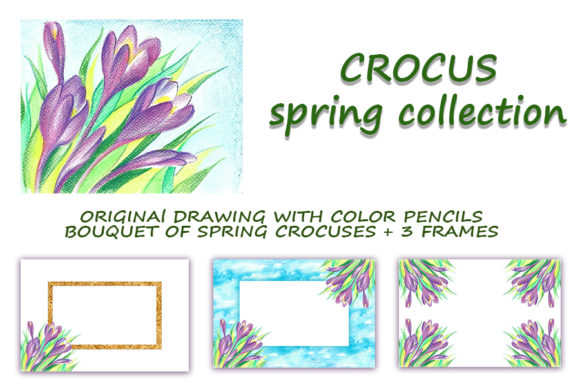
- Stationery and Event Design: The 3200x3200 pixel frame is ideally sized for standard invitation suites (5x7 or A7). The colored pencil texture reproduces exceptionally well on uncoated and linen papers, enhancing the tactile experience of wedding invitations, save-the-dates, and thank-you cards.
- Textile and Surface Pattern Design: The close-up fragment and original flower serve as excellent motif bases for repeating patterns. Designers creating wrapping paper, fabric prints, or wallpaper can use these elements to build seamless tiles. The organic edges of hand-drawn flowers help disguise repeat lines better than rigid geometric vectors.
- Digital Content and Web Design: For bloggers and web designers, the 4000px width allows for retina-display optimization. These assets function effectively as hero image overlays, sidebar decorations, or featured graphics for articles related to botany, gardening, self-care, or seasonal events.
- Branding and Packaging: Small business owners in cosmetics, tea, or artisanal foods can utilize the floral frames for label design. The hand-drawn nature supports brands positioning themselves as natural, handmade, or eco-conscious.
- Scrapbooking and Paper Crafts: Serious hobbyists and educators benefit from the high DPI for home printing. The files can be printed on sticker paper or cardstock for physical albums, maintaining clarity even when scaled down for journaling spots.
Workflow Integration and Usability Considerations
While the artistic quality is evident, practical usability depends on workflow compatibility. Users should note that JPEG files do not support transparent backgrounds. For designers intending to place the lily frames over colored backgrounds or photographs, isolation will be necessary. Given the complex edges of colored pencil strokes, automated selection tools may struggle. Professionals should anticipate spending time refining masks using channels or pen tools to achieve clean cutouts. This is not necessarily a flaw, but a characteristic of the medium that requires technical proficiency.
Additionally, color management is vital. Colored pencil scans can sometimes appear desaturated or overly warm depending on the scanning equipment used. Before sending designs to a professional printer, users should verify the CMYK conversion. Colors that appear vibrant in RGB on-screen may shift when converted for press. Requesting a physical proof is always recommended when using textured botanical art for high-stakes print projects like wedding stationery or product packaging to ensure the "night" tones retain their intended depth.
Evaluating Long-Term Value and Licensing
For freelancers and agencies, the return on investment for assets like Lily at Night is measured by reuse potential and trend resistance. Hand-drawn botanical art tends to be evergreen compared to trendy graphic styles. The classic subject matter of lilies ensures relevance across seasons and demographics. However, the specific style limits its application to appropriate contexts; it would likely feel out of place in tech, finance, or industrial branding. Therefore, its value is highest for creatives specializing in lifestyle, wellness, events, or heritage sectors.
The resolution ceiling also dictates longevity. At 4000 pixels on the long edge, these files are sufficient for most current applications but may become limiting for large-scale signage or billboard advertising in the future. Users planning massive format outputs should view this set as a component element rather than a standalone solution, perhaps combining it with other textures or vector elements to scale effectively.
Who Benefits Most From This Collection
Lily at Night is not a universal solution, but it solves specific problems for specific users. It is best suited for:
- Boutique Stationers: Who need non-generic floral borders that signal luxury and customization to clients.
- Surface Designers: Looking for organic, non-repetitive motifs to break up digital perfection in textile patterns.
- Content Creators in Niche Verticals: Garden bloggers, florists, or aromatherapy practitioners who require visuals that match the sensory nature of their content.
- Educators and Workshop Leaders: Teaching botanical illustration or mixed media, where high-res examples of colored pencil technique serve as valuable study references.
Conversely, designers requiring fully editable vectors, transparent backgrounds out-of-the-box, or neon/modern aesthetics may find this set less efficient. The decision to acquire Lily at Night should be based on a genuine need for the specific emotional resonance of hand-colored botanical art. When that need exists, the combination of adequate resolution, thoughtful composition, and authentic medium makes it a reliable tool in the professional creative arsenal. By understanding both its capabilities and its constraints, users can integrate these illustrations effectively, ensuring they enhance rather than complicate the design process.