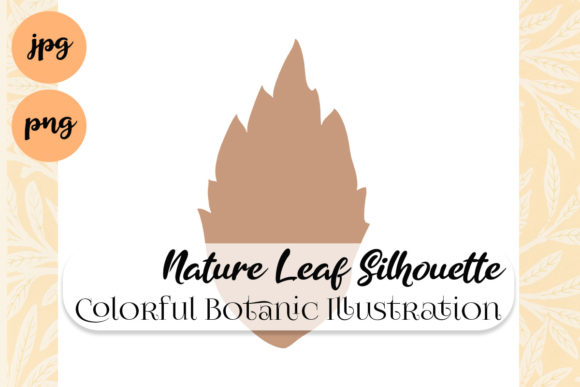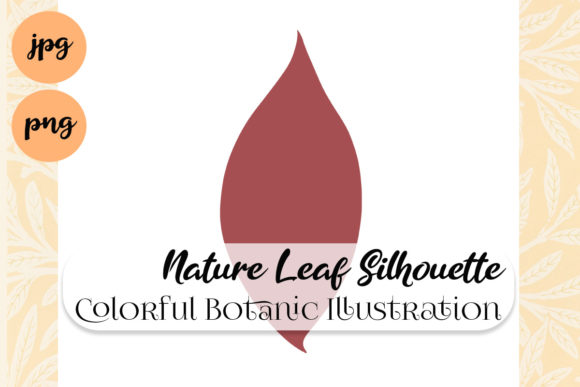
Embracing Autumn Aesthetics: The Versatility of Colorful Nature Leaf Silhouettes in Digital Design
As the seasons shift and the natural world transforms into a canvas of amber, crimson, and gold, designers and creatives often seek ways to capture this ephemeral beauty within their digital work. The intersection of nature and technology has given rise to a specific aesthetic niche that balances organic warmth with modern utility: the colorful nature leaf silhouette. While traditional botanical illustrations focus on hyper-realistic detail, the silhouette offers something distinct—a graphic abstraction that retains the soul of the season while providing the clean lines necessary for contemporary design. Understanding how to leverage these unique assets can elevate everything from seasonal marketing campaigns to personal creative projects.
The Significance of Silhouette Art in Seasonal Design
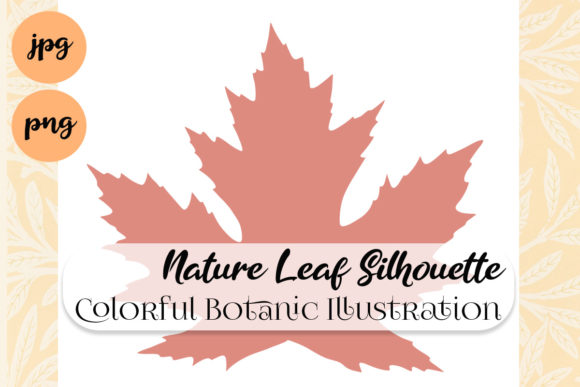
To fully appreciate the value of a nature leaf silhouette illustration, one must first understand its role in visual communication. Unlike a photograph or a detailed painting, a silhouette strips away internal texture to focus entirely on form and color. This reductionist approach is not merely an artistic choice; it is a functional necessity in modern graphic design. In an era where digital content is consumed rapidly across various screen sizes, clarity is paramount. A colorful leaf silhouette provides immediate visual recognition without the visual noise that can clutter a layout.
The "colorful" aspect mentioned in this context is crucial. Traditional silhouettes are often associated with stark black shapes against white backgrounds. However, autumn foliage is defined by its gradient and vibrancy. By utilizing a unique and colorful palette within the silhouette format, designers can evoke the emotional resonance of fall without sacrificing the graphical cleanliness required for professional layouts. This hybrid style bridges the gap between rustic nostalgia and sleek modernism, making it appropriate for a wider audience than traditional vintage botanical art.
Technical Specifications: Why File Format Matters
For beginners and seasoned professionals alike, understanding the technical delivery of digital assets is as important as the aesthetic appeal. When acquiring a nature leaf illustration for commercial or personal use, the file structure dictates the workflow. High-quality listings typically provide two distinct formats, each serving a specific purpose in the creative ecosystem.
- JPG with White Background (300 DPI): The Joint Photographic Experts Group format is the industry standard for raster images. Receiving this file at 300 DPI (dots per inch) ensures that the image possesses sufficient pixel density for high-quality print production. The white background makes this file ideal for inserting directly into documents, word processors, or basic design software where transparency is not required. It serves as a reliable master copy for physical media like flyers or brochures.
- PNG with Transparent Background: The Portable Network Graphics format is the cornerstone of digital versatility. The transparent background allows the leaf to be layered over any color, texture, or photograph without unsightly white boxes interrupting the composition. This is essential for web design, social media graphics, and complex floral composites where the leaf needs to interact organically with other elements.
A common misunderstanding among novice designers is assuming that screen resolution (72 DPI) is sufficient for all projects. However, starting with a 300 DPI source file future-proofs your asset library. Even if you currently only need the leaf for a website, having the high-resolution original allows you to scale down without quality loss, whereas attempting to upscale a low-resolution image later results in pixelation and unprofessional output.
Practical Applications Across Creative Disciplines
The true power of a versatile nature leaf silhouette lies in its adaptability. Because it is a graphic element rather than a rigid photograph, it can be manipulated, scaled, and integrated into diverse mediums. Below are key areas where these illustrations prove indispensable.
Seasonal Invitations and Event Stationery
Autumn is a peak season for weddings, harvest festivals, and Thanksgiving gatherings. Invitations for these events require a delicate balance of elegance and thematic relevance. A colorful leaf silhouette acts as a framing device or a subtle accent that establishes the mood instantly. Unlike fresh flower photography, which can sometimes look too summery or spring-like depending on the bloom, a fall leaf silhouette is unmistakably seasonal. Designers can place these elements in corners to create borders, or use them as watermarks behind text to add depth without compromising readability.
Floral Projects and Botanical Composites
In the realm of digital floristry and surface pattern design, individual leaf assets are the building blocks of larger compositions. A single unique leaf can be duplicated, rotated, and mirrored to create lush wreaths, garlands, or seamless patterns. The colorful silhouette style works exceptionally well here because the solid color fields allow for easy recoloring in post-production. If a project requires a specific brand color scheme, the designer can adjust the hue of the silhouette to match perfectly, something that is significantly more difficult with multi-toned photographic textures.
Web Design and User Interface Elements
Modern web design often struggles with incorporating seasonal themes without appearing dated or kitschy. Subtle use of nature-inspired graphics can soften the hard edges of user interfaces. A transparent PNG leaf can serve as a decorative divider between content sections, a custom bullet point for lists, or an engaging hero image overlay. Because silhouettes are vector-adjacent in appearance (even when rasterized), they load quickly and render crisply on retina displays, maintaining site performance while enhancing visual storytelling.
Integrating Nature into Modern Digital Workflows
Beyond specific projects, the use of nature leaf silhouettes represents a broader trend in digital wellness and biophilic design. As our daily activities become increasingly screen-bound, there is a psychological benefit to incorporating organic forms into our digital environments. Research in environmental psychology suggests that even representations of nature can reduce cognitive fatigue and improve mood. For businesses and educators creating digital content, using warm, organic visuals can make information feel more approachable and less sterile.
Furthermore, these assets support sustainable design practices in a metaphorical sense. By utilizing high-quality, reusable digital illustrations, creatives reduce the need for constant new photoshoots or resource-intensive 3D rendering. A well-crafted leaf silhouette is timeless; it does not age like a fashion trend or a specific photographic filter. Investing in unique, high-DPI assets builds a permanent library that can be revisited year after year, adapting to new contexts through simple color grading or scaling.
Best Practices for Implementation
To maximize the effectiveness of these illustrations, consider the following workflow tips:
- Maintain Aspect Ratio: Always resize proportionally to prevent the leaf from looking stretched or squashed, which breaks the organic illusion.
- Layering Logic: When using the transparent PNG, experiment with blending modes (such as Multiply or Overlay) in your design software to let background textures show through the leaf, adding realism to the silhouette.
- Color Harmony: While the leaf is colorful, ensure its palette complements your overall design. Use color picker tools to sample shades from the leaf for your typography or buttons, creating a cohesive visual language.
- Negative Space Utilization: Remember that silhouettes define space. Use the negative space around the leaf to guide the viewer’s eye toward your focal point, such as a headline or call-to-action button.
Conclusion: The Enduring Appeal of Organic Graphics
The colorful nature leaf silhouette is more than just a seasonal decoration; it is a fundamental design tool that merges the beauty of the natural world with the precision of digital technology. Whether you are crafting an intimate wedding invitation, designing a responsive website, or building a complex floral pattern, having access to high-resolution, professionally formatted assets is essential. By understanding the technical distinctions between JPG and PNG files, and recognizing the psychological and aesthetic impact of organic forms, creatives can produce work that feels both timely and timeless. In a digital landscape often dominated by artificiality, the humble leaf remains a powerful symbol of connection, grounding our modern creations in the enduring rhythms of the earth.