Elevating Digital Design with Rose Gold Watercolor Flowers Clipart
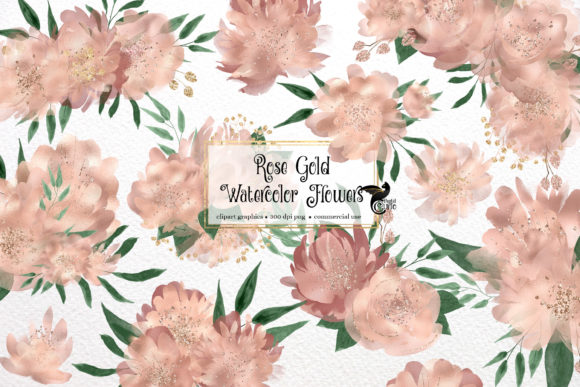
In the evolving landscape of digital and print design, the intersection of metallic elegance and organic softness has established a lasting aesthetic trend. The specific niche of Rose Gold Watercolor Flowers Clipart represents more than just a decorative asset; it serves as a versatile bridge between luxury branding and approachable, handcrafted artistry. For designers, event planners, educators, and small business owners, understanding the technical specifications and creative applications of these botanical elements is essential for producing high-quality visual content. This comprehensive guide explores how to leverage a collection of 44 individual PNG files to enhance everything from wedding stationery to professional web decor.
The Psychology and Versatility of the Rose Gold Palette
Before diving into technical implementation, it is valuable to understand why this specific colorway remains a staple in creative industries. Rose gold occupies a unique position in color theory. Unlike traditional yellow gold, which can sometimes feel austere or overly formal, rose gold carries warm pink undertones that evoke empathy, romance, and modern femininity. When rendered in watercolor, the metallic sheen is softened by the translucency of the pigment, creating a texture that feels both expensive and organic.
This duality makes the clipart exceptionally adaptable. In a corporate context, such as a female-founded tech startup or a wellness brand, these floral blooms add warmth without sacrificing professionalism. In personal projects like wedding invitations or planner layouts, they provide the necessary romantic flourish while maintaining a contemporary edge. The key to successful utilization lies in treating the clipart not merely as decoration, but as a foundational element of the visual hierarchy that guides the viewer’s eye and establishes emotional tone.
Technical Specifications for Professional Output
A common pitfall in digital design is acquiring assets that look beautiful on screen but fail during production. This specific download includes 44 individual PNG files with transparent backgrounds, a specification that warrants detailed attention for professional users. The transparency is critical because it allows for seamless layering over any background color, texture, or photograph without the need for tedious masking or erasing. This non-destructive workflow saves hours of editing time and preserves the integrity of the original artwork.
Furthermore, the resolution standards are set for cross-media compatibility. With images averaging 5 to 7 inches at their greatest measurement and rendered at 300 dpi, these files meet the rigorous requirements for commercial printing. Many web-only assets are saved at 72 dpi, resulting in pixelation when printed on cardstock or fabric. By adhering to 300 dpi, this clipart ensures that the delicate edges of the watercolor washes and the subtle gradients of the rose gold tones remain crisp whether viewed on a retina display or embossed on heavy linen paper. Understanding these metrics prevents costly reprint errors and ensures consistency across physical and digital touchpoints.
Strategic Applications Across Industries
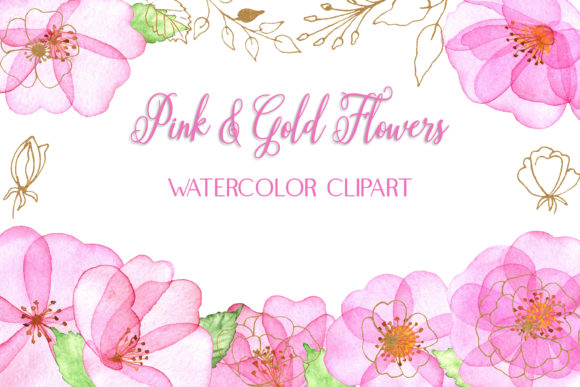
The utility of this asset pack extends far beyond generic decoration. By analyzing the composition of the set—which includes 8 assembled bouquets and 36 botanical elements—we can identify distinct workflows for various professional and creative sectors.
Wedding and Event Stationery Design
For stationers and DIY brides, the distinction between pre-assembled bouquets and individual elements is a game-changer. While the eight assembled bouquets serve as excellent focal points for invitation suites or welcome signs, the 36 individual branches, leaves, and blooms allow for bespoke border creation. Rather than relying on static, repetitive corners, designers can scatter individual petals or curve single branches to frame text organically. This modular approach enables the creation of cohesive suites where the save-the-date, menu, place cards, and thank-you notes share a visual language without looking identical. The rose gold palette pairs exceptionally well with blush, sage green, charcoal, and ivory, allowing for seasonal adaptability within a single asset library.
Digital Planning and Content Creation
In the realm of digital planning and social media management, visual fatigue is a genuine concern. Creators often struggle to maintain brand consistency while keeping feeds fresh. These watercolor florals function as reusable branding anchors. A lifestyle blogger might use a large assembled bouquet as a header for blog posts, while utilizing smaller individual leaves as bullet points or dividers within the article body. Because the files are transparent PNGs, they integrate seamlessly into platforms like Canva, Procreate, or Photoshop. For digital planner sellers, these elements add perceived value to downloadable products, transforming simple grid layouts into premium, aesthetically pleasing tools that command higher price points.
Educational and Instructional Materials
Educators and instructional designers often overlook floral assets, associating them solely with weddings. However, research in multimedia learning suggests that aesthetic appeal can positively influence learner engagement and motivation. Soft, organic visuals like rose gold watercolors can reduce cognitive load compared to harsh geometric shapes or high-contrast neon graphics. When designing worksheets, certificates, or presentation slides, using subtle botanical elements in the margins can create a calming learning environment. The neutral yet warm tone of rose gold is inclusive and mature, avoiding the juvenile appearance of primary-colored cartoons often found in educational clipart.
Composition Techniques for Botanical Assets
Owning high-quality clipart is only half the equation; arranging it effectively requires an understanding of botanical illustration principles. Even when using digital assets, the arrangement should mimic natural growth patterns to avoid an artificial "sticker sheet" appearance.
- Vary Scale and Rotation: Never use the same element at the exact same size and angle twice in one composition. Flip individual leaves horizontally, rotate blooms by 15 degrees, and scale branches down to create depth. This variation mimics the randomness of nature.
- Create Depth Through Layering: Utilize the transparency of the PNGs to overlap elements. Place darker leaves behind lighter blooms, or tuck a small branch behind a text box. This layering creates a sense of three-dimensionality that flat vectors cannot achieve.
- Mind the Negative Space: Watercolor thrives on white space. Do not feel compelled to fill every corner. Allow the translucent edges of the rose gold paint to fade into the background. This breathing room is what gives the design its elegance and prevents visual clutter.
- Balance Visual Weight: Rose gold is visually "heavy" due to its saturation and detail. If you place a large assembled bouquet on the top right, balance it with a cluster of smaller individual elements on the bottom left. Symmetry is rarely found in nature; aim for asymmetrical balance instead.
Color Harmony and Background Considerations
One of the stated advantages of this collection is that it looks great with any background. However, achieving optimal contrast requires intentional color selection. On white or cream backgrounds, the rose gold pops beautifully, offering maximum legibility and classic elegance. On dark backgrounds like navy or black, the metallic tones shimmer, creating a luxurious, evening-appropriate aesthetic. For textured backgrounds such as kraft paper or marble, the watercolor style blends naturally because both share organic imperfections.
Designers should be cautious when placing these florals over busy photographic backgrounds. Because watercolor edges are soft, they can get lost against complex imagery. In such cases, adding a subtle drop shadow or a semi-transparent white overlay behind the floral cluster can help separate the asset from the background photo, ensuring the botanical details remain visible and impactful.
Licensing, Organization, and Workflow Integration
For professionals managing multiple client projects, asset organization is as important as artistic skill. With 44 individual files, establishing a logical naming convention and folder structure upon download prevents future inefficiencies. Consider organizing files by type (e.g., "Bouquets," "Single Blooms," "Leaves," "Branches") rather than generic numerical filenames. This categorization speeds up the search process during active design sessions.
Additionally, users must always verify licensing terms associated with digital downloads. While these assets are perfect for designing wedding invitations, planner layouts, and web decor, understanding whether they can be used for end-products intended for resale versus personal use is crucial for business compliance. Responsible usage protects both the creator's intellectual property and the user's commercial integrity. When integrated correctly into a professional workflow, this Rose Gold Watercolor Flowers Clipart set becomes more than a purchase; it becomes a scalable design system capable of elevating projects across diverse mediums and audiences. The combination of high-resolution technical specs, modular versatility, and timeless aesthetic appeal ensures that these botanical elements remain relevant tools in the modern creator’s arsenal.